Using Play, Go, and Do with Sports for Kids
Use play for games, go with -ing activities, and do for exercise, routines, and martial arts. Children say “play tennis,” “go swimming,” and “do karate.” Teach each sport and verb as one phrase, then practise it in a sentence.
What Children Need to Understand
The choice between play, go, and do depends on word partnerships called collocations. We say “play basketball” because English speakers pair those words, but not every ball activity follows one rule.
In Using Play, Go, and Do with Sports: A Practical Guide for Kids, teach each sport as a complete chunk: “go cycling,” not only “cycling.” Complete chunks speed up speech and remove the search for a verb.
How the Three Patterns Work
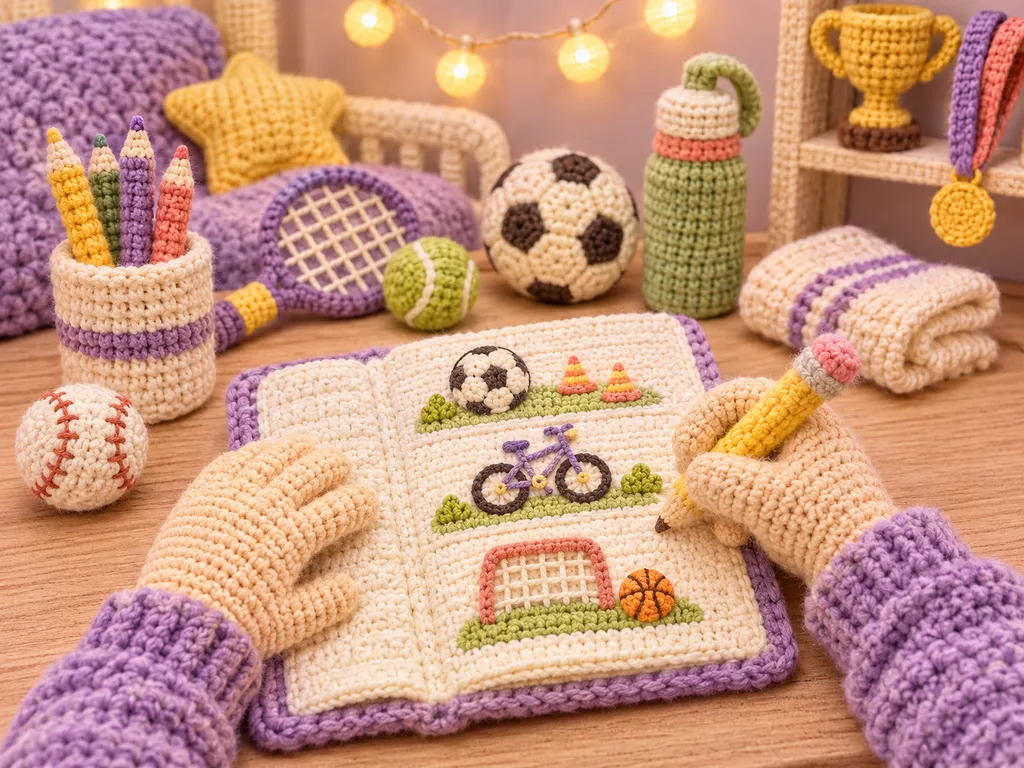
Play goes with games, ball sports, and competitive activities: “play football,” “play tennis,” “play volleyball,” and “play chess.” Football may be called soccer, but the verb stays the same.
Go often precedes -ing activities: “go swimming,” “go skiing,” “go skating,” and “go climbing.” Do fits exercise, gymnastics, and martial arts: “do yoga,” “do gymnastics,” and “do judo.”
Pair each word with its row’s verb. Learn exceptions as complete phrases; chess takes play despite involving neither running nor a ball.
Rules and Examples Children Can Use
Use play for a structured game: “We play badminton after school,” “Can I play table tennis with you?” or “My sister plays handball.” Match the verb to the subject: “I play,” “you play,” “he plays,” and “she plays.”
Use go before -ing activities: “We go hiking on Sundays” or “She goes skating in winter.” Change go for tense and subject: “They went skiing,” “He goes swimming,” and “Are you going cycling?”
Use do for karate, taekwondo, yoga, gymnastics, and exercise: “I do karate twice a week” or “We did yoga at home.” Separate an activity from a class: we “go swimming” but “go to a swimming lesson.”
Common Mistakes and How to Fix Them
Translating a verb from another language can create an unnatural phrase. Correct the full collocation so your child hears “play tennis” as one unit.
- Instead of: “I do football.” Say: “I play football.”
- Instead of: “She plays swimming.” Say: “She goes swimming.”
- Instead of: “We go karate.” Say: “We do karate.”
- Instead of: “He goes to swim every Saturday.” Say: “He goes swimming every Saturday.”
- Instead of: “They do basketball after school.” Say: “They play basketball after school.”
Keep corrections brief. After “I do tennis,” reply, “Yes, you play tennis on Tuesday.” The corrected phrase models natural English without stopping the conversation.
Use “go swimming” for the activity and “go to swimming lessons” for a class. The noun after to names a place, event, practice, or lesson.
Practice Activities for Home or Class
Move from choosing the verb to building a sentence. Have your child answer aloud before checking, turning the collocation into a spoken phrase instead of a written rule.
Exercise 1: Choose the Verb
Add play, go, or do.
1. We ___ volleyball at school.
2. They ___ skiing in January.
3. I ___ judo on Fridays.
4. She ___ tennis with her cousin.
5. You ___ running in the park.
Answers: 1. play; 2. go; 3. do; 4. plays; 5. go.
Next, change the subject or time to practise the collocation with new grammar.
Exercise 2: Complete the Sentence
Use the words in brackets in the correct form.
1. My brother ___ every morning. (go running)
2. We ___ yesterday. (play badminton)
3. She ___ after school. (do gymnastics)
4. They ___ next weekend. (go climbing)
Answers: 1. goes running; 2. played badminton; 3. does gymnastics; 4. are going climbing.
For the last task, request a full answer using a real activity or sensible invented schedule.
Exercise 3: Short Questions and Answers
Answer in a complete sentence.
1. What sport do you play?
2. When do you go swimming, cycling, or skating?
3. Do you do a martial art?
4. What activity would you like to try?
Model answers: “I play basketball.” “I go cycling at the weekend.” “I do taekwondo.” “I would like to try surfing.”
A Short Routine That Makes the Rule Stick
Review five phrases at a time. Sort them into three groups, say each phrase, and build a sentence. Mix and sort the cards the next day to test recall.
Mime an activity while your child names the phrase. Serve an imaginary ball for “play tennis,” move your arms for “go swimming,” or hold a pose for “do yoga.” Older children can add time and tense: “I went swimming last Saturday.”
During one-to-one lessons with LearnLink tutors, children can practise the pattern through questions, pictures, and conversation. Using Play, Go, and Do with Sports: A Practical Guide for Kids provides a quick reference for home review.
- Choose three examples: football, swimming, and karate, then match each verb.
- Ask your child to say play football, go swimming, and do karate.
- Write five familiar sports on cards and sort them by verb.
- Shuffle the cards, reveal one, and build a complete sentence together.
- Finish by choosing another sport and checking its verb as a team.
When a word has several meanings or pronunciations, Cambridge Dictionary is a useful check before turning it into child-friendly examples.
Frequently Asked Questions
Why Do We Say “Go Swimming” but “Play Tennis”?
Swimming follows the go + -ing pattern. Tennis is a competitive game, so it takes play. Teach both as complete phrases.
Should My Child Say “Do Sport” or “Play Sports”?
“Play sports” describes sports in general. “Do sport” appears in British English. For specific activities, use the standard partnership: “play hockey,” “go cycling,” or “do gymnastics.”
Is Every Activity Ending in -ing Used with “Go”?
No. The -ing form is a clue, not a fixed rule. We say “go running,” “go climbing,” and “go skating,” but “do boxing” sounds more natural for regular training. We can say “go to boxing practice.”
Does My Child Need to Memorise Every Exception?
No. Begin with five phrases from school, activities, or family conversations. Review them through questions and short sentences, then add expressions from books, videos, lessons, or conversations.
Can Younger Children Learn These Verb Patterns Without Grammar Terms?
Yes. Using Play, Go, and Do with Sports: A Practical Guide for Kids works through pictures, actions, and repetition. Children can sort cards and say “play basketball,” “go skating,” or “do karate.” Accurate use comes before grammar terminology.
Finish with three steps: 1) sort five sport cards under play, go, or do; 2) say each phrase aloud; 3) make one sentence per phrase. Repeat the cards tomorrow, then add two activities after five correct answers.
Start your child's English journey today — book a trial lesson with LearnLink.
Stay updated on our latest tips and resources by following us on Instagram LearnLink.